New law on fixing damp, mould and other hazards
Published: Monday 19 October 2026
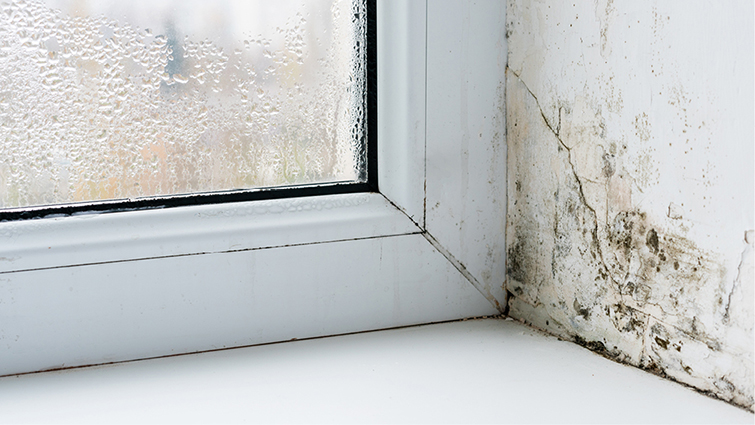
Following its introduction in England and Wales in 2025, Awaab’s Law has now come into effect in Scotland.
Awaab’s Law places a legal duty on social and private landlords to investigate and fix damp, mould and other serious hazards that present a significant risk of harm within strict timescales.
These protections are now in place through the Investigation and Commencement of Repair (Scotland) Regulations 2026, introduced through the Housing (Scotland) Act 2025.
Under the new legislation, the council will manage all reports of damp and mould from when the concern is first reported, until the relevant advice is provided or any required works are completed. The new legislation sets the following specific timescales which the council must follow:
- investigate reports of damp or mould from council tenants, within 10 working days of becoming aware of them
- produce a written summary of investigation findings and provide this to the tenant within 3 working days of the investigation concluding
- if the investigation concludes substantial damp or mould, ensure repair work is commenced within 5 working days of the investigation
- upon commencement of repair work, ensure the repair is completed within a maximum period of 20 working days
- ensure the house remains substantially free from damp and mould, as far as reasonably practicable.
While all cases of damp or mould should be reported to the council, tenants should also be aware that excess condensation, which contributes to damp and mould, is heightened during the coldest months of the year. Daily living practices play an important role in preventing damp and mould in the home. This includes ensuring your home is adequately heated and well ventilated.
Further advice for tenants is available on the council’s website.

30 October 2026
1,000 additional council homes on the horizon
30 October 2026
Fun facts behind the important winter-safety advice
29 October 2026
Don’t forget the danger of flooding
28 October 2026
Festival of Remembrance takes place this weekend
28 October 2026
Planning ahead goes a long way to help with winter journeys
27 October 2026
Week highlights importance of connection and belonging
27 October 2026
A very particular set of skills helps with winter driving
26 October 2026
Preparing now for winter on the roads will help us all
22 October 2026
Pesticide use reduced across South Lanarkshire
21 October 2026
Donation helps charity build on work that sees children SMILE